9 min read
Steel Garage Door Replacement Fort Worth: 911 Garage Door Repair Pros can help. Visit 911garagedoorrepairpros.com for a free quote.
TL;DR: A steel garage door replacement in Fort Worth typically costs $900–$1,800 installed for a standard 16×7 ft double door, depending on gauge thickness and insulation. For Fort Worth homes, 24-gauge steel is the minimum we recommend due to our area's frequent hail events. The installation takes 3–5 hours, and you'll want to verify permit requirements with the City of Fort Worth Development Services before ordering.
What Does Steel Garage Door Replacement Cost in Fort Worth?
If you're shopping for a steel garage door replacement in Fort Worth, the first question is always price. Here's what you're looking at:
Standard installed costs for Fort Worth:
- Single-car door (9×7 ft): $600–$1,100 total (door + labor)
- Double-car door (16×7 ft): $900–$1,800 total (door + labor)
- Door materials alone: $300–$1,100 depending on gauge and insulation
- Labor (Fort Worth area): $150–$350 for a standard installation
The wide range depends on three main factors: steel gauge (thickness), insulation level, and whether you're upgrading your opener at the same time.
Price Breakdown by Gauge and Insulation
| Door Type | 26-Gauge (Basic) | 24-Gauge (Recommended) | 24-Gauge Insulated |
|---|---|---|---|
| Single (9×7) | $400–$600 | $550–$800 | $700–$1,000 |
| Double (16×7) | $600–$900 | $800–$1,200 | $1,000–$1,500 |
| Labor (both) | $150–$300 | $150–$300 | $150–$350 |
Real example: A 16×7 ft insulated 24-gauge steel double door runs roughly $800–$1,200 for materials, plus $200–$350 labor, landing you around $1,000–$1,550 installed in Fort Worth.
Fort Worth Permit Considerations
The City of Fort Worth Development Services requires a building permit for garage door replacement only when you're structurally altering the opening. A like-for-like replacement – same size door in the existing frame – typically doesn't need a permit. That said, we always recommend calling Fort Worth Development Services at 817-392-2222 to confirm for your specific property before you order. It takes five minutes and saves headaches later.
Which Steel Gauge Is Right for Fort Worth Homes?
Fort Worth sits in Tarrant County, which experiences significant hail activity. Understanding steel gauge helps you make a choice that actually protects your investment.
Gauge Explained: Thickness Matters
Steel gauge is a measure of thickness – and here's the key: lower gauge number means thicker steel explained by The Spruce.
- 24-gauge: 0.0239 inches thick (thicker, stronger)
- 25-gauge: 0.0209 inches thick (middle ground)
- 26-gauge: 0.0179 inches thick (thinner, lighter)
That difference might sound small, but it's the difference between a door that shrugs off hail and one that dents under impact.
Hail Resistance and Tarrant County Weather
Tarrant County averages multiple significant hail events per year. According to NOAA Storm Events data, we see hail events regularly – and when 1-inch hail hits a 26-gauge door, you're looking at visible denting. A 24-gauge panel resists impact from stones up to 1.25 inches, which covers most of what we see here in Fort Worth.
If you live in areas like Aledo, Keller, or Burleson, you're in the same hail zone. The extra cost for 24-gauge ($150–$300 more than 26-gauge) is worth it for durability.
Insulation and R-Values
Insulated steel doors come with either polystyrene or polyurethane cores:
- Polystyrene core: R-6 to R-9 (budget-friendly, adequate)
- Polyurethane core: R-12 to R-18 (premium, best thermal performance)
Fort Worth is in ASHRAE Climate Zone 3 – cooling-dominated. An uninsulated door in an attached garage can add 20–30°F of heat load to adjacent living spaces during our 100°F+ summers. If your garage is attached to your home, an R-12 or higher insulated door pays for itself in reduced AC strain over time.
Galvanized vs. Galvannealed Coating
Both protect against rust in Texas heat and humidity:
- Galvanized: Zinc coating; standard protection
- Galvannealed: Zinc-iron alloy; better paint adhesion if you plan to repaint
For Fort Worth's climate, either works fine. Galvannealed is slightly better if you want to customize the color later.
How to Choose a Steel Garage Door Style for Your Fort Worth Home
Beyond the technical specs, your door needs to fit your home's look – and if you're in an HOA community, it needs to pass the rules.
Popular Panel Styles
Raised panel is the standard: clean, classic, works with most homes. It's your baseline price.
Carriage house style (looks like old barn doors) costs 20–40% more but adds serious curb appeal. Popular in Fort Worth's newer subdivisions.
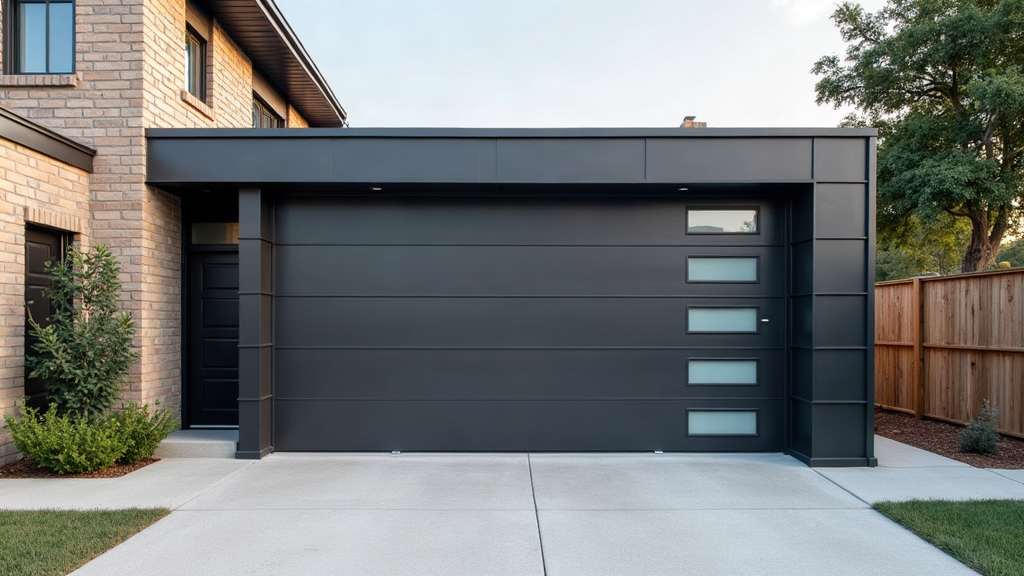
Flush panels are modern and minimalist – sleek but less common, so pricing varies by manufacturer.
Window Inserts and Color
Window inserts let light into your garage and add visual interest. Privacy glass is smart for Fort Worth's intense sun – it reduces glare and heat without sacrificing the look.
Color options range from factory-painted (more expensive, no waiting) to primed-for-paint (cheaper, you handle finishing). Most Fort Worth homes go with white, tan, or charcoal to match trim and siding.
HOA Compliance in Fort Worth Subdivisions
If you're in Aledo, Keller, Burleson, or other HOA communities, check your CC&Rs before ordering. Many Fort Worth HOAs mandate specific styles (raised panel only), colors (white or earth tones), or require pre-approval for replacement doors. A quick call to your HOA saves you from ordering a door that doesn't meet requirements.
What Is the Steel Garage Door Replacement Process Step by Step?
Knowing what to expect on installation day removes the guesswork. Here's how a standard replacement unfolds:
Step 1: Measurement and Order (1–2 weeks) Your contractor measures the opening precisely and orders your door. Lead times for in-stock models run 1–2 weeks; custom colors or sizes may take 3–6 weeks. After a major hail event in Fort Worth, demand surges and timelines stretch – plan ahead if you're replacing after a storm.
Step 2: Old Door Removal (30–45 minutes) The crew removes your existing door and inspects the tracks, springs, and hardware. This is when they spot any damage that needs addressing – a bent track or worn roller might need replacement.
Step 3: Spring and Track Setup (45–60 minutes) For heavier steel doors, torsion springs (mounted horizontally above the opening) are standard, as this guide from Family Handyman explains. They last 15,000–20,000 cycles and are safer than extension springs. The crew installs or adjusts springs and aligns the tracks so the door moves smoothly.
Step 4: New Door Installation and Alignment (60–90 minutes) Panels go in, hinges and rollers are attached, and the door is aligned so it opens and closes without binding. This is the most time-intensive step.
Step 5: Opener Reconnection and Safety Test (30–45 minutes) If you're keeping your existing opener, it's reconnected and tested. Safety sensors are checked to ensure the door reverses if it hits an obstacle. If you're upgrading the opener, this step takes longer.
Total job time: 3–5 hours for a standard double-car door replacement.
How Do You Know When to Replace vs. Repair Your Steel Door?
Not every problem means you need a new door. Here's how to decide:
Repair-Worthy Issues
- Single panel dent: If one panel is dented but the door operates smoothly, a panel replacement ($200–$400) makes sense.
- Broken torsion spring: Spring replacement runs $200–$300 and extends your door's life significantly.
- Worn rollers or hinges: Replacement hardware ($150–$250) restores smooth operation.
- Off-track door: Usually fixable with realignment ($150–$300).
Replace-Worthy Issues
- Multiple panels damaged: If hail or impact has dented several panels, replacement is more cost-effective than patching.
- Rusted bottom sections: Rust that's eaten through the steel can't be repaired safely.
- Door older than 20 years: Older doors often have worn springs, misaligned tracks, and poor insulation. Replacement is the practical choice.
- Poor insulation and high energy bills: If your garage temperature swings wildly, an insulated replacement door pays dividends.
The 50% Rule
Here's a practical tipping point: if repair cost exceeds 50% of replacement cost, replacement wins. A broken spring repair ($250) versus a full door replacement ($1,000+)? Repair wins. But multiple issues stacking up? Replacement becomes the smarter investment.
Finding a Qualified Steel Garage Door Contractor in Fort Worth
Texas doesn't require a state-level contractor license for garage door installation, which means vetting is on you. Here's what to look for:
Manufacturer certification matters. Authorized dealers for brands like Amarr have training and access to genuine parts. Ask if your contractor is a certified dealer.
BBB Accreditation is a solid signal. It shows the business is established and accountable.
Local references from Fort Worth homeowners carry weight. Ask for three recent installations in your area and follow up.
Post-storm caution: After major hail events, out-of-state "storm chasers" flood Fort Worth. The Texas Attorney General warns against contractors who appear after storms and disappear before warranty issues surface. Stick with established local providers who have a Fort Worth address and phone number you can verify.
When you're ready to move forward, companies like 911 Garage Door Repair Pros offer same-day service and transparent pricing – worth calling for a quote to compare against other local estimates.
Frequently Asked Questions About Steel Garage Door Replacement in Fort Worth
How much does steel garage door replacement cost in Fort Worth?
Direct Answer: A standard 16×7 ft insulated steel double-car door costs $900–$1,800 installed in Fort Worth, with materials running $800–$1,200 and labor $150–$350.
The exact price depends on steel gauge (24-gauge costs more than 26-gauge), insulation level (R-12 polyurethane cores are pricier than polystyrene), and whether you're upgrading your opener. Single-car doors run $600–$1,100 total. Call a few local contractors for quotes tailored to your opening size and preferences.
How long does a steel garage door last in Texas heat and weather?
Direct Answer: A well-maintained steel garage door lasts 15–30 years in Fort Worth's climate, depending on gauge thickness and insulation quality.
Heavier 24-gauge doors with galvanized or galvannealed coatings resist rust and hail damage better than thinner 26-gauge panels. Regular maintenance – lubricating hinges, checking springs, and cleaning the door – extends lifespan. After major hail events, inspect your door for dents or damage that could worsen over time.
Is a 24-gauge or 25-gauge steel door better for Fort Worth homes?
Direct Answer: 24-gauge is the minimum we recommend for Fort Worth due to Tarrant County's frequent hail events.
24-gauge steel (0.0239 inches) resists hail impact up to 1.25 inches, while 26-gauge dents under 3/4-inch hail. Since Fort Worth averages multiple significant hail events annually, the extra durability of 24-gauge is worth the $150–$300 premium. 25-gauge splits the difference but offers less protection than 24-gauge.
Can I replace just one panel of my steel garage door instead of the whole door?
Direct Answer: Yes, single-panel replacement costs $200–$400 and works well if only one panel is damaged.
However, if your door is older, the new panel may not match the color or finish of the existing panels perfectly due to fading. If multiple panels are damaged or your door is nearing the end of its lifespan, full replacement is more cost-effective long-term.
How long does installation take for a replacement steel garage door?
Direct Answer: A standard double-car door replacement takes 3–5 hours from start to finish.
Old door removal takes 30–45 minutes, spring and track setup another 45–60 minutes, new door installation 60–90 minutes, and opener reconnection and testing 30–45 minutes. Single-car doors may finish in 2–3 hours. The crew will let you know the exact timeline when they arrive.
Do I need a permit to replace a garage door in Fort Worth, TX?
Direct Answer: A like-for-like replacement (same size door in the existing opening) typically doesn't require a permit, but you should verify with the City of Fort Worth Development Services.
Call 817-392-2222 to confirm for your property. A permit is required only if you're structurally altering the opening. It takes five minutes to check and protects you from surprises later.
What is the difference between insulated and non-insulated steel garage doors?
Direct Answer: Insulated doors have polyurethane or polystyrene cores (R-6 to R-18) that reduce temperature swings; non-insulated doors offer no thermal protection.
In Fort Worth's hot summers, an insulated door can reduce garage temperature by 20–30°F compared to an uninsulated door, easing strain on your AC and protecting items stored in the garage. Insulated doors also dampen noise and are slightly more rigid. The trade-off is cost – insulated doors run $200–$400 more than non-insulated equivalents.
Ready to Move Forward?
Replacing a steel garage door is a straightforward project when you know what to expect. Start by measuring your opening, deciding on gauge and insulation, and getting quotes from local Fort Worth contractors.
When you're ready to schedule installation, 911 Garage Door Repair Pros offers same-day service and transparent pricing – call them for a free estimate and comparison. They're licensed, insured, and familiar with Fort Worth's specific climate and permit requirements.
The investment in a quality 24-gauge insulated steel door pays dividends in durability, energy efficiency, and curb appeal for years to come.
More from 911 Garage Door Repair Pros | Only $25 Same Day Repair: services services · the areas we serve